
Paintless Dent Repair
DIY vs. Professional Dent Repair: When to Call a Pro (and When It's OK to Try It Yourself)
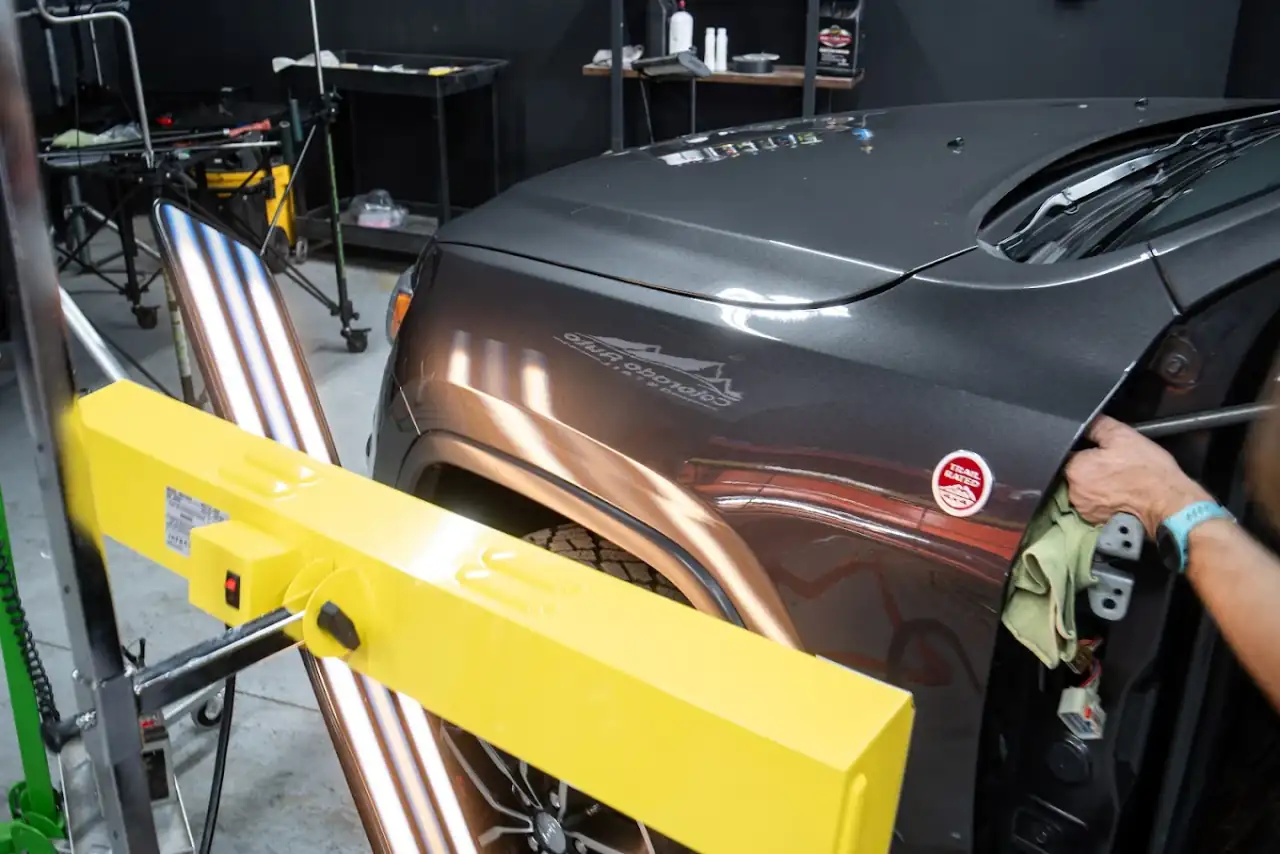
There's a lot of DIY dent repair advice floating around online — suction cups, hair dryers, dry ice, plunger tricks. Some of it has a grain of truth, but most of it oversells what's actually achievable without training. Here's an honest breakdown from the technician's side of things.
The Real Question Isn't "Can You" — It's "What Result Do You Need"
Almost anyone can pop a shallow dent partway out with the right household trick. The real question is whether the result is good enough for your situation. If your car is newer, a daily driver, or something you plan to keep looking sharp or sell down the line, you want the panel restored to a true, factory-smooth finish — and that's a professional job. If it's an older project car and you're just curious to see what you can do yourself, DIY is a perfectly reasonable thing to try.
Does Dry Ice Actually Work?
The dry ice trick is one of the most common DIY suggestions, and it's largely a myth in terms of delivering a clean result. The rapid temperature change can cause the metal to contract and pop some dents outward on its own — that part is real. But it very rarely pulls a dent back to a smooth, factory-level finish. You'll often be left with a dent that's less noticeable but still visibly there, and there's a real risk of cracking paint or damaging the clear coat in the process from the extreme cold.
Why Experience Matters More Than People Realize
Paintless dent repair looks simple to watch — a technician working a tool against a panel from behind — but the skill curve is real. Technicians tend to improve dramatically over their first six to seven years in the trade, developing feel for how different metals and panels respond, before the gains become more incremental after that point. It's a trained, tactile skill, not just a tool and a YouTube video, which is part of why the same "simple" dent can look very different depending on who repairs it.
When DIY Makes Sense
- Older vehicles where perfect factory finish isn't the goal
- Project cars or vehicles you're not planning to keep long-term
- Learning and experimenting, with realistic expectations about the outcome
- Very minor, shallow dents on flat, easy-to-access panels
When to Call a Professional
- Newer vehicles or daily drivers where you want a true, invisible repair
- Vehicles you plan to sell, where paint and panel condition affect value
- Hail damage, which often involves many dents across multiple panels
- Any dent near a body line, edge, or area with tight access
- Anytime the paint is already cracked or chipped at the dent site
The Bottom Line
DIY dent repair isn't wrong — it's just a different goal than professional PDR. If you're curious and the car isn't precious to you, go ahead and experiment. If you want the dent to actually disappear the way it looked before the damage happened, that's what a trained tech is for.
If you'd rather leave it to someone who's spent years perfecting the craft, Dent, Hail & Detail offers free preliminary assessments for Denver Metro drivers. Call (303) 647-4469 or book online to get an expert opinion before you decide.