
Paint Protection
Ceramic Coating vs. Paint Protection Film (PPF): Which Does Your Denver Car Actually Need?
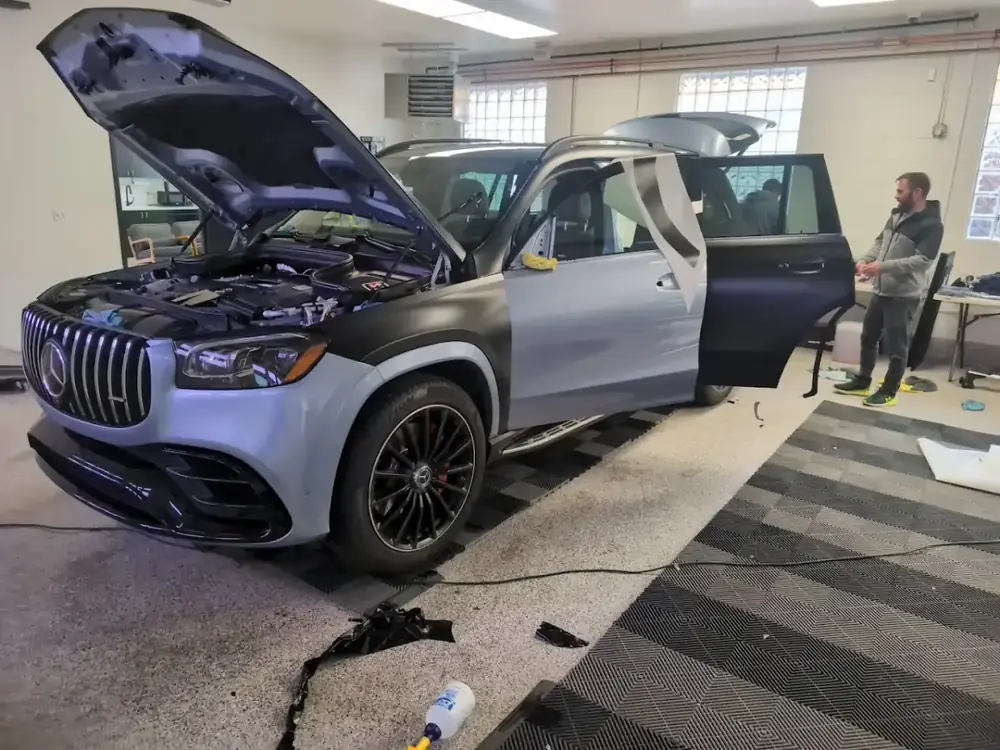
Two of the most searched questions we get from Denver drivers: "Should I get ceramic coating?" and "Is PPF worth it?" Both protect your vehicle's paint. Both are premium investments. But they do very different things — and choosing the wrong one means either overspending or under-protecting. This guide breaks down exactly what each product does, what it costs, and how Denver's specific conditions affect the decision.
What Is Ceramic Coating?
Ceramic coating is a liquid polymer that bonds chemically to your vehicle's factory paint, creating a hard, hydrophobic layer on top. It doesn't add physical thickness — it enhances the surface at a molecular level. The result is a finish that repels water and contaminants, resists UV fading, maintains gloss for years, and makes washing significantly easier. A professionally applied ceramic coating in Denver like Ceramic Pro 9H at Dent, Hail & Detail creates a permanent bond that lasts years, not months.
What Is Paint Protection Film (PPF)?
PPF — also called clear bra — is a thick, optically clear thermoplastic urethane film applied directly to painted surfaces. Unlike ceramic coating, PPF adds a physical barrier between your paint and the outside world. It self-heals from light scratches when exposed to heat, absorbs rock chip impacts without cracking, and protects against road debris that would leave permanent marks in an unprotected finish. It's the closest thing to armour your car's paint can wear. Learn more about Clear Bra PPF in Denver.
The Key Difference — Chemical vs. Physical Protection
Ceramic coating protects chemically — it makes the surface harder and more resistant to contamination, UV, and light abrasion. PPF protects physically — it absorbs impacts, chips, and scratches before they reach the paint. They are not competing products. They solve different problems. Ceramic coating is the right answer when your primary concern is gloss, UV protection, and easier maintenance. PPF is the right answer when your primary concern is rock chips, road debris, and physical impact protection.
What Denver's Conditions Mean for Your Decision
Denver's elevation (5,280 feet) means UV radiation is significantly higher than at sea level — paint fades faster here than almost anywhere else in the country. The Front Range also means mountain road debris, gravel on highway on-ramps, and magnesium chloride applied to roads through winter. Hail season runs May through August and is among the most active in the US. Ceramic coating is your best defense against UV fading and chemical contamination from road treatments. PPF is your best defense against the rock chips and gravel impacts that come with mountain driving. Neither product is a substitute for hail repair after a major storm — once a hailstone dents metal, only PDR can restore it.
Which Vehicles Suit Each Product?
Ceramic coating suits daily drivers, newer vehicles, and owners who want a showroom finish with minimal maintenance. PPF suits high-end vehicles, leased cars where paint condition affects return value, vehicles driven frequently on highways or mountain roads, and any car where rock chip damage is a real concern. Many Denver drivers opt for partial PPF coverage — front bumper, hood, mirrors, and rocker panels — which protects the highest-impact areas at a fraction of the cost of full-body coverage. Full-body PPF makes sense for exotics, collector cars, and any vehicle you plan to keep long-term.
Can You Use Both Together?
Yes — and for high-end or high-mileage vehicles it's often the recommended approach. PPF goes on first as the physical barrier layer, then ceramic coating is applied over the top of the PPF to add hydrophobic properties and enhance gloss. The result is maximum protection from both physical impact and environmental contamination. The combined approach costs more up front but is the gold standard for exotics, performance vehicles, and any car where preserving factory paint over the long term is the priority.
Cost Comparison for Denver Drivers
Ceramic coating ranges from entry-level single-layer applications to multi-layer permanent bonds depending on product tier and preparation work. PPF ranges from partial coverage packages (front-end protection) to full-body installations. Both are significantly less expensive than a full repaint — and preserving your factory paint protects resale value far more than most owners realise. Every vehicle is different, so the best next step is a personalised quote. Get a quote for your specific vehicle and driving habits.
Frequently Asked Questions
Q: How long does ceramic coating last in Denver?
A: A professionally applied Ceramic Pro 9H coating creates a permanent bond under normal conditions. Annual maintenance inspections help maintain performance. DIY consumer coatings typically last 1–2 years.
Q: Does PPF protect against hail damage?
A: PPF provides some protection against very small hail, but it is not a substitute for PDR after a significant hail event. Major hail will dent metal regardless of surface protection.
Q: Can ceramic coating be applied over PPF?
A: Yes — this is actually the recommended combination for maximum protection. PPF is installed first, then ceramic coating is applied over it.
Q: How long does PPF installation take?
A: Partial coverage (front bumper, hood, mirrors) typically takes one day. Full-body installations take 2–3 days depending on vehicle size and complexity.
Not Sure Which Is Right for You?
Our team at Dent, Hail & Detail will assess your car, your driving habits, and your budget and give you a straight recommendation — no upsell, no pressure. Contact us for a free consultation and we'll help you choose the right protection for your vehicle.