
Paint Correction
Does Your Car Need Paint Correction? How to Tell & What to Expect in Denver
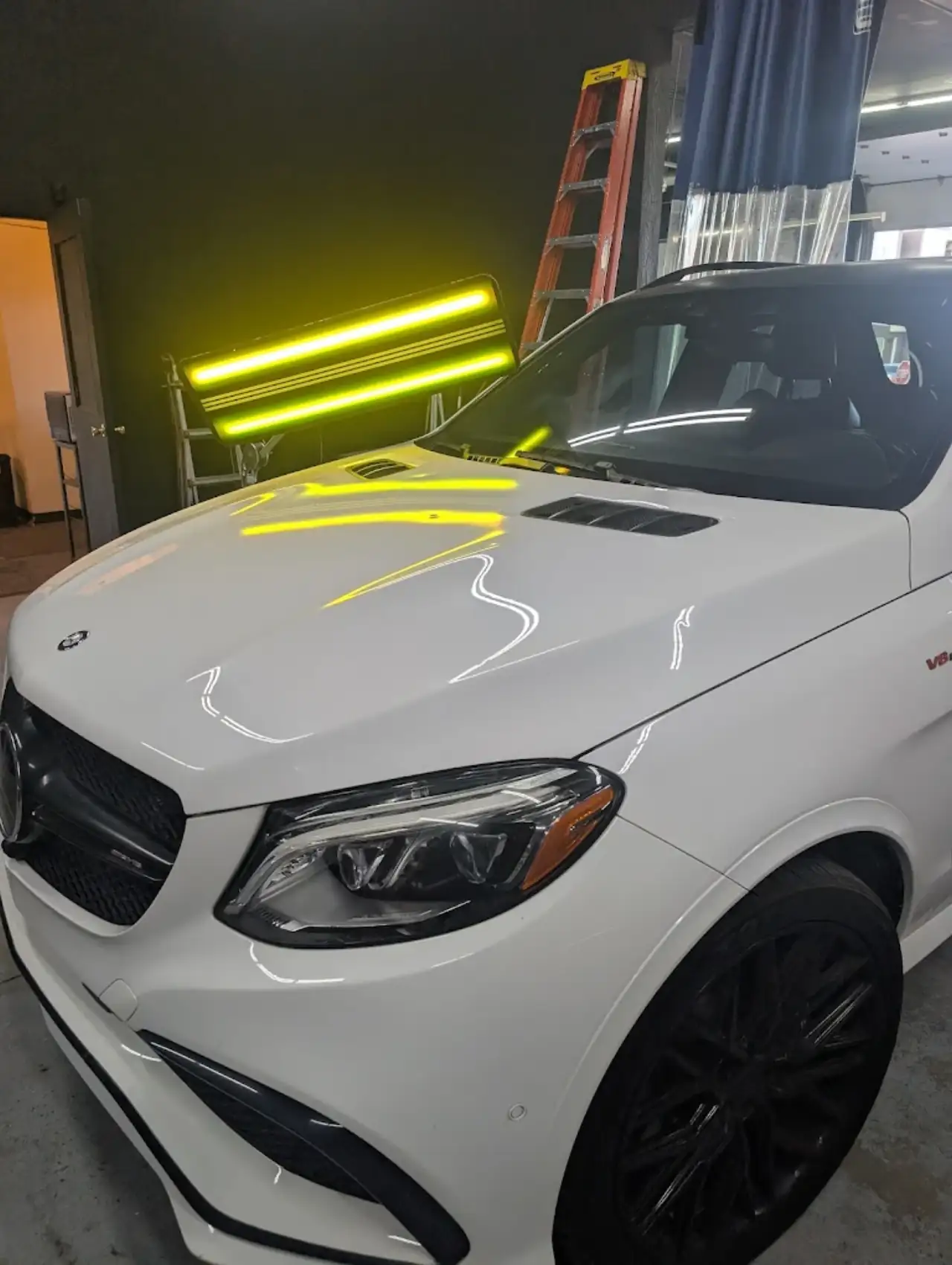
Most car owners assume their paint just fades with age — that a dull, swirly finish is inevitable. It isn't. What you're seeing is almost always correctable surface damage: scratches in the clear coat from improper washing, water spots etched by Denver's hard water and intense UV, or oxidation from years of sun exposure at altitude. Paint correction removes that damage and restores the clarity and gloss that was there when the car was new. Here's how to know if your car is a candidate — and what the process involves.
What Is Paint Correction?
Paint correction is the process of removing surface imperfections from a vehicle's clear coat using machine polishing compounds and specialised pads. It's not a detail — it's a restorative process that physically removes a microscopic layer of clear coat to eliminate the scratches, swirls, and oxidation sitting within it. The result is a finish that reflects light cleanly, looks deep and glossy, and is ready for long-term protection with ceramic coating or PPF.
Unlike a wax or sealant that temporarily fills imperfections, paint correction permanently removes them. The clear coat is thinned by mere microns — carefully, by a trained technician — to reveal a flawless surface beneath. Paint correction in Denver at Dent, Hail & Detail is performed with calibrated dual-action and rotary polishers, paint thickness gauges, and a range of compounds matched to each vehicle's paint hardness.
Signs Your Car Needs Paint Correction
Denver drivers notice these indicators more than most — the local conditions make them show up faster and more visibly:
Swirl marks visible in direct sunlight or under artificial light. These circular scratches are usually caused by automatic car washes with abrasive brushes, or by improper hand washing technique (dirty sponges, circular wiping, or grit dragged across the paint).
Water spots that don't wash off. Denver's hard tap water leaves mineral deposits when it dries on paint in direct sun. Over time these etch into the clear coat and become permanent without correction.
Dull or hazy finish that wax doesn't fix. This is oxidation — the clear coat degrading and scattering light rather than reflecting it cleanly. Wax will temporarily improve appearance but cannot restore the surface itself.
Fine scratches from brushes, keys, road debris, or contact with bushes and hedges. These live in the clear coat layer, not the base colour, which means they're correctable without repainting.
Uneven paint tone or patchy gloss. If some panels look shinier than others, or the finish looks tired despite regular washing, the clear coat has uneven degradation that correction will level out.
All of these are clear coat issues, not base coat damage — meaning they're correctable without the expense and permanence of a repaint.
What Denver's Conditions Do to Your Paint
Denver's elevation of 5,280 feet means UV radiation is approximately 25% higher than at sea level. Clear coat degrades faster here than almost anywhere in the country. The intense sun breaks down the resin in the clear coat, causing it to haze, oxidise, and become more susceptible to scratching.
Temperature swings add stress. Summer days hit the 90s and winter drops below freezing — the expansion and contraction of the paint layer over years causes micro-cracking and surface fatigue.
Hard municipal water is another Denver-specific factor. The minerals in local tap water — calcium and magnesium — bond to the clear coat when water evaporates on the surface. Left untreated, these deposits etch into the finish and become progressively harder to remove.
Road contamination from I-25 traffic, mountain driving debris, and winter magnesium chloride treatments all add to the surface damage. Paint correction reverses this cumulative wear — and Denver vehicles often need it sooner than cars driven in milder climates. After correction, ceramic coating for UV protection is the standard follow-up to prevent the same damage recurring.
The Three Stages of Paint Correction
At Dent, Hail & Detail, correction is organised into three stages based on paint condition and the level of improvement required:
Stage 1 — Enhancement Polish. A single-step polish using a fine compound and soft pad. Removes light swirls, minor dullness, and surface haze. Best for newer vehicles or cars that have been maintained reasonably well but need a refresh. The least invasive option — minimal clear coat removal with significant visual improvement.
Stage 2 — Two-Step Correction. A cutting compound to remove moderate swirls, water spots, and light scratches, followed by a refining polish to restore gloss and clarity. This is the most common service for daily drivers in Denver that have accumulated 2–4 years of surface damage from washing, sun, and road contamination.
Stage 3 — Full Multi-Step Correction. Multiple passes with progressively finer compounds for heavily neglected paint, deep scratches, and severe oxidation. Reserved for vehicles that have never been corrected, older cars, or high-end vehicles where showroom finish is the goal. This stage removes the most clear coat and requires the most precision.
Before any correction begins, the technician measures paint thickness with a gauge across every panel. Removing too much clear coat is irreversible — it exposes the base coat and creates permanent damage. Precision matters, and assessment comes first. See our paint correction packages for pricing and what's included at each stage.
What Happens After Paint Correction?
Paint correction leaves the clear coat in its best possible condition — but it also leaves it temporarily more vulnerable to contamination. The microscopic pores of the freshly polished surface are open and will absorb contaminants faster than a surface with some oxidation already acting as a barrier.
What should happen next depends on your goals and budget:
Ceramic coating is the standard follow-up for long-term chemical protection and gloss retention. It bonds to the corrected surface and provides years of UV resistance, hydrophobic properties, and contaminant rejection. A corrected surface holds a coating better than an uncorrected one — the bond is stronger and the finish looks deeper.
PPF (Paint Protection Film) is the alternative for physical impact protection. If your primary concern is rock chips, road debris, and scratches from daily driving, PPF applied to high-impact areas protects the corrected finish from the damage that would otherwise require another correction in 12–24 months.
Both together — correction, then PPF, then ceramic coating over the PPF — is the gold standard for high-end and collector vehicles. Maximum protection from both physical and chemical threats.
Doing paint correction without following up with protection means the correction results degrade faster. The same UV, hard water, and road contamination that caused the original damage will start the cycle again. Correction is the reset — protection is the prevention. Learn more about ceramic coating and paint protection film to find the right follow-up for your vehicle.
How Long Does Paint Correction Take?
Stage 1 typically takes half a day. Stage 2 takes a full day. Stage 3 on a full-size vehicle or heavily neglected paint can take 1–2 days.
The vehicle needs to be clean and dry before the process begins — the team performs a full decontamination wash first. This removes tar, iron fallout, and bonded contaminants that would clog polishing pads and scratch the surface during correction.
During drop-off, the technician will review the paint assessment with you, confirm the correction stage, and set expectations for the result. At collection, you'll see the finish under our inspection lights and have the opportunity to review every panel. The shop on East Warren Avenue has easy I-25 access — convenient from anywhere in the metro.
Frequently Asked Questions
Q: Will paint correction remove deep scratches that go through the clear coat?
A: Paint correction removes imperfections within the clear coat layer only. Scratches that go through to the base coat or primer require touch-up paint or repainting and are assessed separately.
Q: How do I know which stage of correction my car needs?
A: Our technicians assess paint condition and thickness during the initial inspection and recommend the appropriate stage. There's no obligation to proceed.
Q: Can paint correction be done on matte or satin finishes?
A: No — paint correction using machine polishing is only suitable for gloss finishes. Matte and satin paints require specialist products and techniques.
Q: How long will the results last without a protective coating?
A: Results are permanent in the sense that removed scratches don't come back — but unprotected paint will accumulate new surface damage over time. A ceramic coating or PPF application after correction maintains the results long-term.
Q: Is paint correction worth it before selling a vehicle?
A: Frequently yes — a corrected finish significantly improves first impressions and perceived value. For high-end vehicles especially, the cost of correction is often recovered in the sale price.
Not Sure What Stage Your Paint Needs?
Bring it in for a free assessment. Our technicians will inspect the finish under specialty lighting, measure paint thickness, and give you a straight answer — no pressure, no upsell. Book a free assessment online or call us at (303) 647-4469.