
Hail Repair
Hail Damage Insurance Claims: When to File, When to Pay Out of Pocket, and What Your Lender Requires
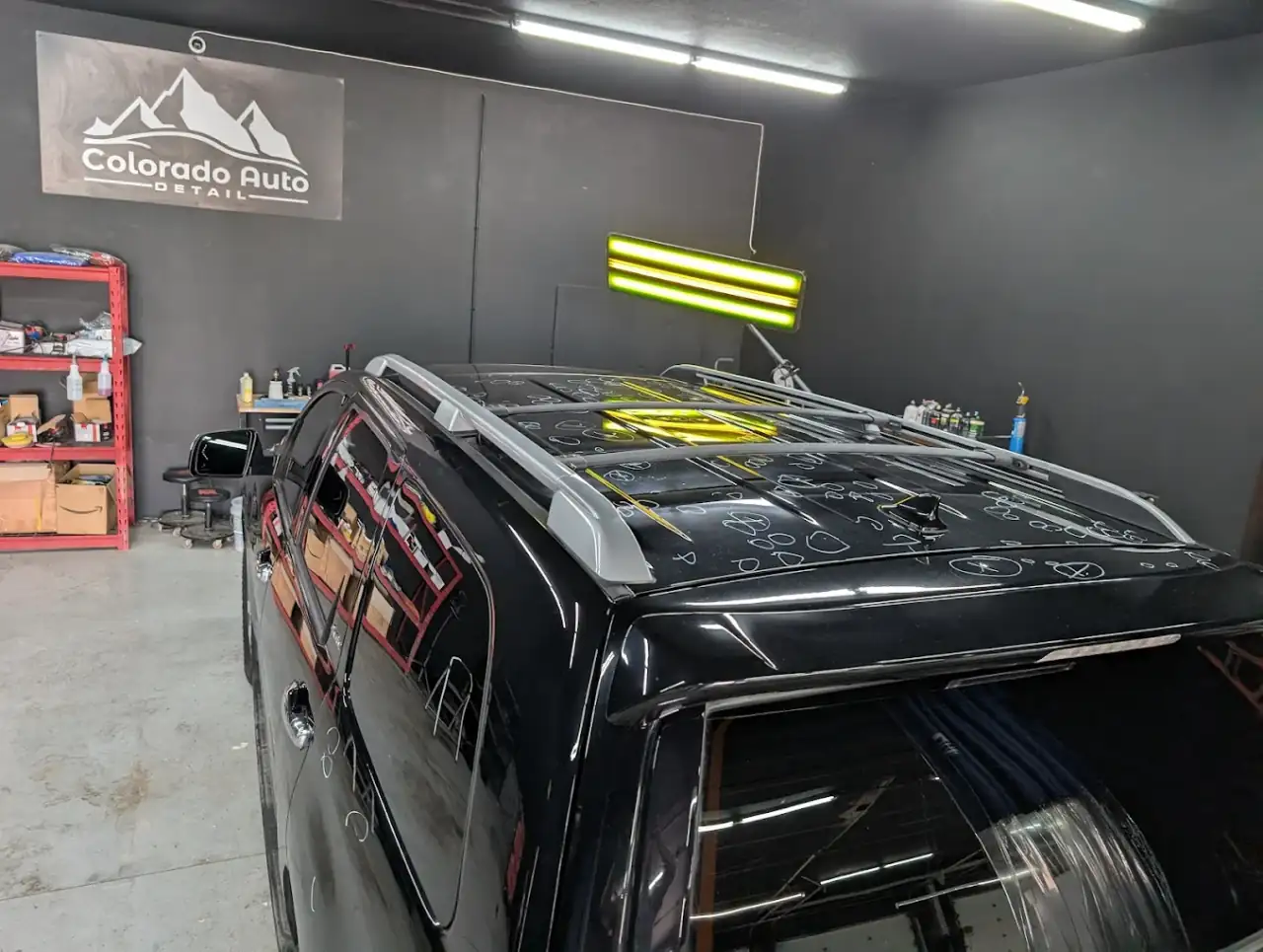
After a Denver hail storm, one of the first questions vehicle owners ask is: should I file an insurance claim or just pay for the repairs myself? The answer isn't always the same — it depends on the extent of the damage, your deductible, and whether you have a loan on your vehicle. Here's what you need to know before making that call.
When It Makes Sense to File a Claim
Filing a comprehensive insurance claim for hail damage generally makes sense when:
- The repair cost is significantly higher than your deductible
- Your vehicle has widespread damage across multiple panels
- You want the repair professionally documented for resale or lease return purposes
Comprehensive coverage (not collision) is what covers hail damage in most auto insurance policies. Filing a hail claim typically does not raise your rates the same way an at-fault collision claim would — though this varies by insurer, so it's worth confirming with your provider.
When Paying Out of Pocket Might Make More Sense
In some cases, paying out of pocket is the smarter move:
- The damage is minor and the repair cost is close to or below your deductible
- You've already filed one or more claims recently and are concerned about your rate
- You want to avoid any interaction with your insurer for personal or financial reasons
A professional PDR assessment will give you a clear repair cost estimate so you can compare it against your deductible and make an informed decision.
What If You Have a Loan on Your Vehicle?
This is where many vehicle owners get caught off guard: if your car is financed, your lender almost certainly requires you to repair hail damage. This is typically written into your loan agreement. The reasoning is simple — the lender has a financial interest in the vehicle, and unrepaired hail damage reduces its value.
In most cases, your lender will also require that the insurance payout actually goes toward the repair, not into your personal account. If you're unsure about your specific loan terms, check your agreement or contact your lender directly.
What If You Own Your Vehicle Outright?
If there's no loan on your vehicle, you have more flexibility. If you file a claim and your insurer sends you a payout, you are generally not required to spend that money on repairs. You can choose to pocket the check and drive the vehicle as-is. That said, unrepaired hail damage can affect your vehicle's resale value and may complicate future insurance claims for the same damage, so it's worth factoring that in.
How to File a Hail Damage Claim: The Basic Steps
- Document the damage as soon as possible — photos from multiple angles, including panel close-ups
- Contact your insurance provider to report the damage and open a comprehensive claim
- Schedule an assessment — either through your insurer's preferred appraiser or an independent PDR shop
- Review the repair estimate and confirm it covers all affected areas before work begins
- Authorize the repair with a shop you trust
At Dent, Hail & Detail, we work directly with insurance companies and handle the coordination on your behalf, so you're not left navigating the process alone.
Denver Hail Damage Repair — We Handle the Paperwork
Dent, Hail & Detail is NAPDRT-certified and insurance-approved. We work with all major insurers and guide Denver vehicle owners through the claims process from assessment to final detail.
Not Sure Where to Start?
Bring your vehicle in for a free hail damage assessment. We'll give you a straight answer on repair costs and help you decide whether filing a claim is the right move.
Get a Free Estimate