
Hail Repair
How to Spot Hidden Hail Damage on Your Vehicle
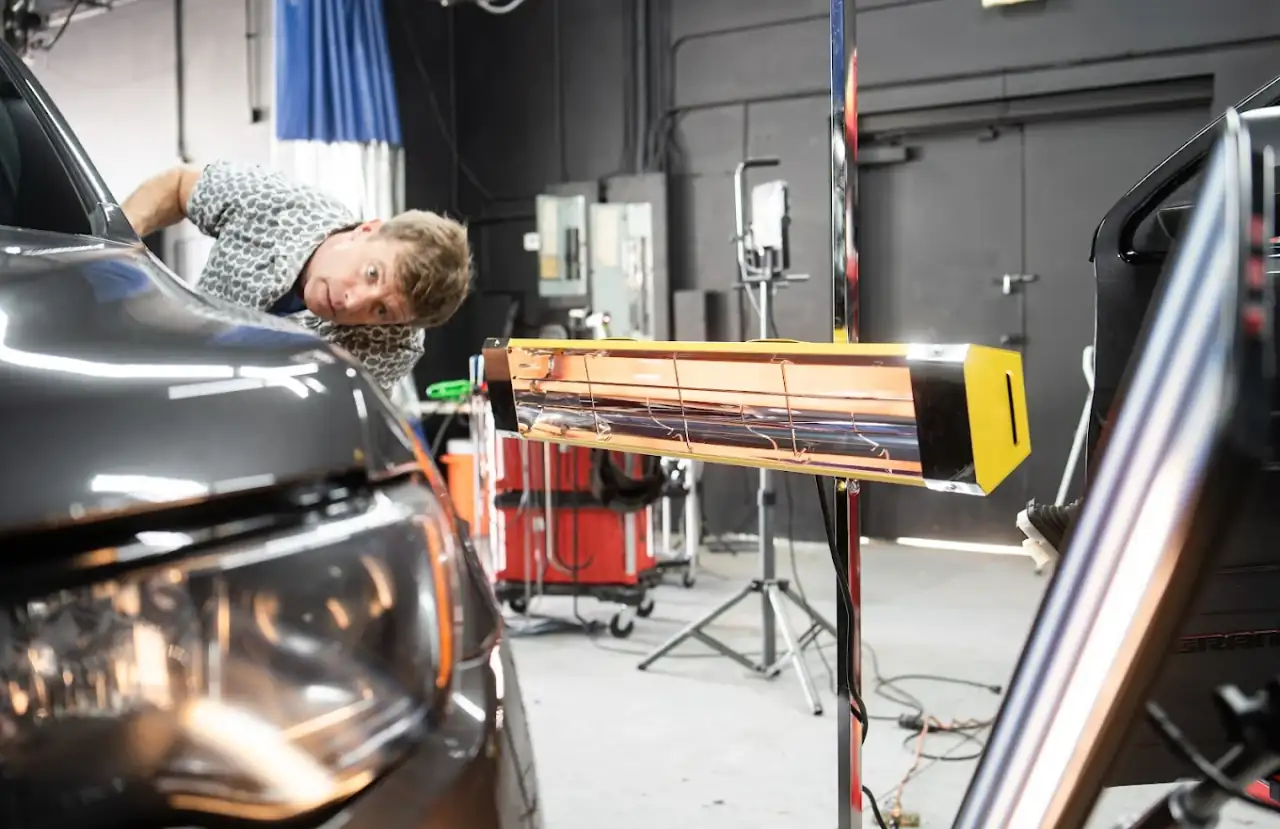
Hail damage isn't always the dramatic, dented-hood scenario people picture. Often it's subtle — a scatter of shallow dings across the roof, hood, and trunk that are easy to miss in a quick glance across the parking lot. If you drive through Denver, Aurora, Centennial, or anywhere along the Front Range, it's worth knowing how to check your own vehicle properly, especially after a storm.
Start With a Clean, Dry Car
The single biggest mistake people make when checking for hail damage is inspecting a dirty or wet vehicle. Dust, water spots, and grime hide the subtle light-and-shadow contrast that reveals a dent. Wash and dry the car fully before you inspect it — a quick rinse isn't enough. You want a completely clean, dry surface with nothing distorting the reflection.
Get Out of Direct Sunlight
Bright, direct sun is actually one of the worst conditions for spotting hail damage. The glare washes out the subtle shadows that a dent creates. Move the car into a garage, a shaded carport, or park it in the shade of a building. Ideally, use a space with controlled, even overhead lighting — this is exactly why professional inspections happen in a shop rather than outdoors.
Look for Reflection Distortion, Not Just Dents
Instead of scanning for obvious dings, look at how light reflects across the panel. Stand at an angle to the car and slowly walk the length of each panel, watching how straight lines (like the edge of a garage door reflection, or a fluorescent light tube) bend or ripple as they cross the metal. A true, undamaged panel reflects a straight line cleanly. Hail damage will cause small warps and ripples in that reflection, even when you can't feel or see a dent by looking straight-on.
Why PDR Techs Use Specialized Lighting
This is exactly why paintless dent repair technicians use specialized dent-reading lights and reflection boards rather than relying on natural light. These tools create a controlled, high-contrast light source that makes even the shallowest hail dents visible instantly. It's a big part of why a professional inspection catches damage that a driveway check at home will miss — particularly on shallow, cosmetic dings that don't show up until direct sunlight hits the car at just the right angle.
Common Hail Damage Hotspots
Hail typically hits horizontal, upward-facing panels hardest. Check these areas first:
- Roof
- Hood
- Trunk lid
- Tops of front and rear fenders
Vertical panels like doors and rear quarter panels are usually hit less severely, since hail falls mostly straight down.
When to Get a Professional Opinion
If you suspect hail damage — even if you're not sure — it's worth getting a second set of eyes before you assume the car is fine. Insurance hail claims typically have a filing window, and catching damage early makes the claims process smoother.
If you've noticed anything that looks off after a storm, Dent, Hail & Detail offers hail damage assessments for Denver Metro drivers, using the same specialized lighting techs rely on to catch what a driveway check can't. Call (303) 647-4469 or book online to get it checked out.