
Hail Repair
Still Driving With Summer Hail Damage? Why You Shouldn't Wait Until Spring
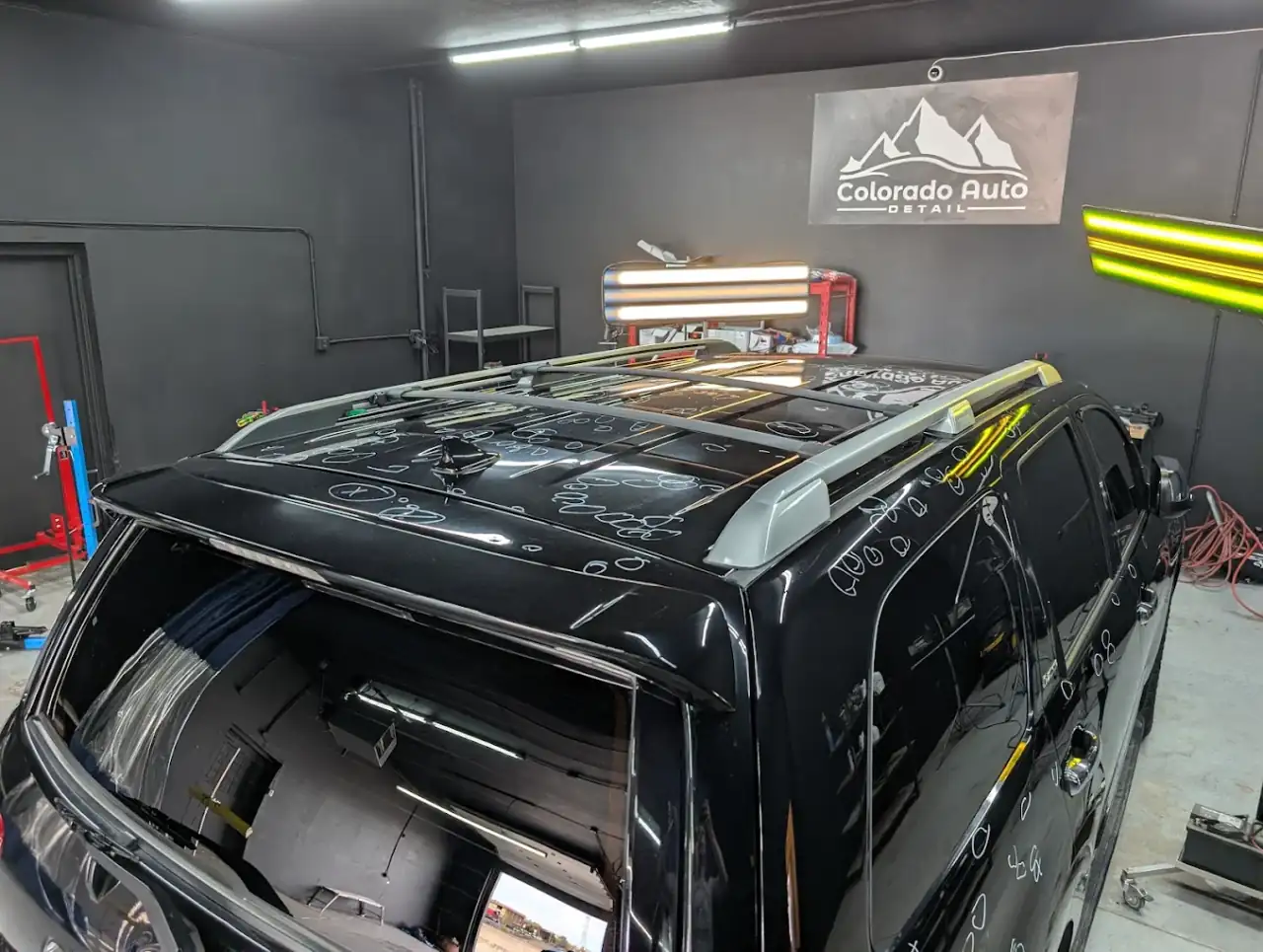
Denver's hail season runs roughly May through September, and the Front Range is one of the most hail-prone corridors in the country. By fall, plenty of drivers are still carrying dents from a summer storm. Maybe the damage looked minor, the claim felt like a hassle, or life simply got busy.
Waiting feels harmless. The dents aren't going anywhere, right? The dents may not change, but what's around them can, and a Colorado winter is hard on a damaged vehicle. Here's what to know before you put car hail damage repair off until spring.
Why Hail Damage Gets Worse Over a Denver Winter
A hail dent on its own is stable. It won't grow or spread. The risk is the paint. Larger hailstones can crack or chip paint on impact, especially on the hood, roof, and the leading edges of panels. These breaks are often small enough to miss on a quick walk-around.
De-icers and exposed metal
Colorado roads are treated with magnesium chloride and other de-icers through the winter. That spray coats your vehicle and settles on horizontal panels, which are exactly where hail hits hardest. Wherever hail has chipped or cracked the paint, moisture and road chemicals can reach bare metal, and corrosion can begin.
Freeze-thaw cycles
Denver swings above and below freezing constantly through winter. Moisture that works into small paint cracks can freeze, expand, and widen them, opening more of the panel to the elements.
Why this matters for your repair options
Paintless dent repair restores the panel while keeping your factory paint intact, and it works best when that paint is still in good condition. Damage left to sit through a winter can mean more work later. Once corrosion starts, the repair may go beyond what PDR alone can fix.
The Insurance Clock Is Running
Hail damage typically falls under the comprehensive portion of your auto policy. Many policies set a time limit for reporting a claim after the loss, and those limits vary by insurer and policy. The longer you wait, the harder it can be to connect your damage to a specific storm. If another storm hits next season before you've repaired, overlapping damage can complicate the claim even further.
Check your policy or call your agent now, not in April. If your vehicle is financed or leased, your lender may also have requirements around repairs. Our hail damage insurance claim guide walks through when to file, when to pay out of pocket, and what lenders typically expect.
"It's Just a Few Dents": Why Hail Damage Is Easy to Underestimate
Hail damage almost always looks lighter in the driveway than it really is. Shallow dents disappear in flat daylight, and a panel that looks clean at a glance often shows dozens of impacts under inspection lighting. That's why many drivers who think they have "a few dings" have far more damage than they realize.
If you want to check your own vehicle first, our guide on how to spot hidden hail damage shows the same inspection method our technicians use. You can also compare what you saw during the storm against our hail size guide on the auto hail repair page to get a sense of how serious the damage is likely to be.
Start Next Hail Season With a Clean Slate
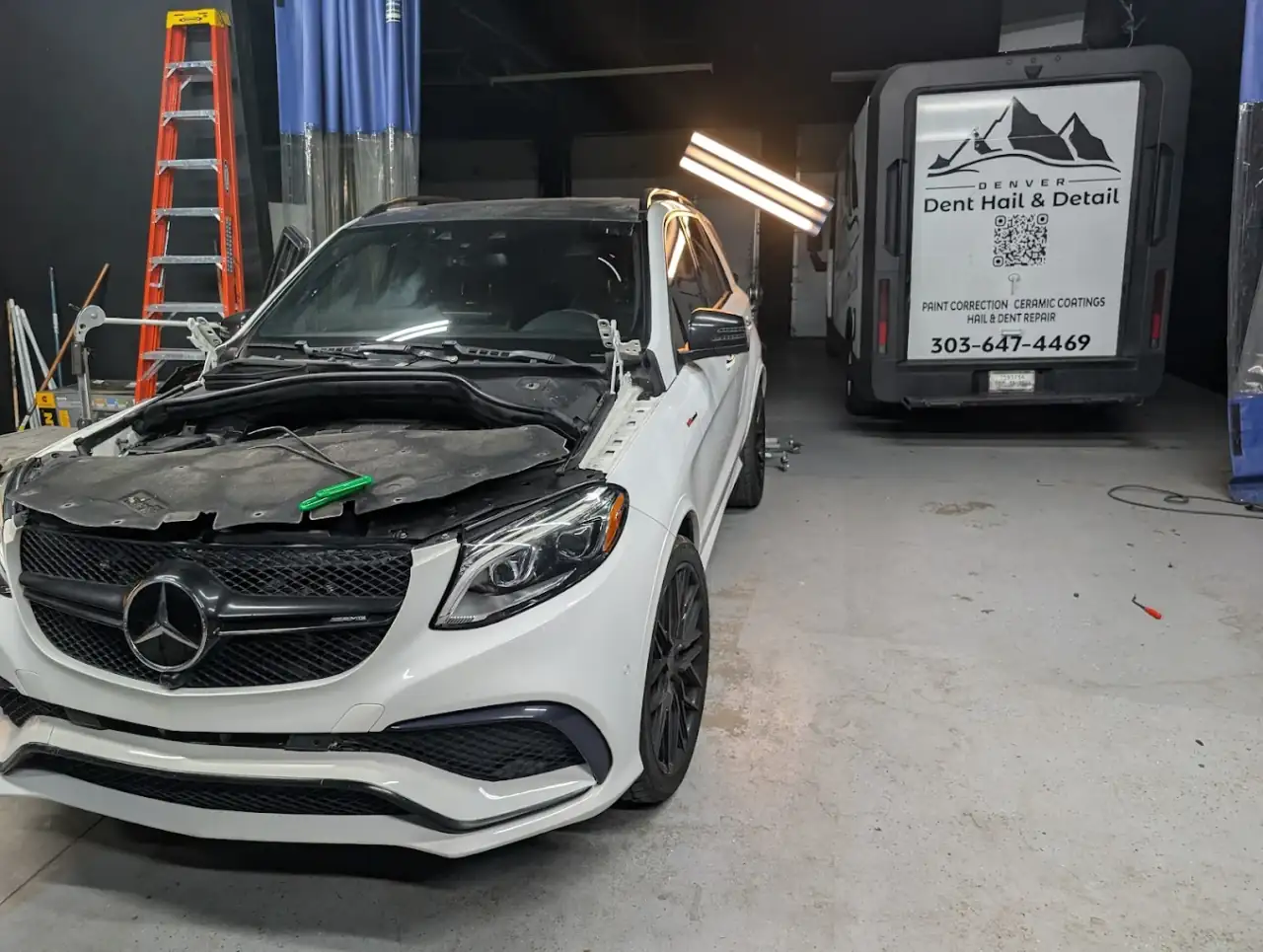
Hail season will be back in spring. A vehicle that enters a new storm season with unrepaired damage risks new dents stacked on old ones, a more complicated insurance picture, and a longer repair when you finally bring it in. Fixing it this fall means you start next season with a clean vehicle and a clean record of what happened when.
What Fall Hail Repair Looks Like at Dent, Hail & Detail
Our shop on East Warren Avenue works on vehicles indoors year-round, so fall and winter are a practical time to get summer hail damage handled. Here's what the process looks like:
- Free inspection. We assess every panel under specialty lighting and give you an honest read on the damage, before you file if you haven't yet.
- Direct insurance billing. We work with every major carrier, bill your insurer directly, and handle the paperwork.
- Deductible help. We help with up to $1,000 of your deductible on qualifying claims.
- Clear timeline. A typical hail repair takes 7–10 days from drop-off to delivery, depending on the damage and insurance approval.
Want the full step-by-step? Here's what to expect at a hail damage repair shop, from estimate to final detail.
Frequently Asked Questions
Is it too late to fix hail damage from this summer?
Usually not for the repair itself. Paintless dent repair can still restore the panels as long as the paint is in good condition. Whether you can still file an insurance claim depends on your policy's reporting timeline, so check with your insurer.
Will unrepaired hail damage rust?
The dents alone won't rust. But where hail has chipped or cracked the paint, bare metal can be exposed. Combined with winter de-icers and moisture, that's where corrosion can start.
How long does auto hail repair take?
A typical hail repair takes 7–10 days from drop-off to delivery, depending on how many panels are affected and the insurance approval timeline.
Do I need to file a claim before bringing my car in?
No. Bring it in for a free inspection first. We'll show you the extent of the damage so you can decide whether filing makes sense.
Don't let summer hail damage ride out a Denver winter. Book a free inspection: call (303) 647-4469 or book online.