
Paintless Dent Repair
Lease Return Dent Repair in Denver: How to Avoid Excess Wear Charges
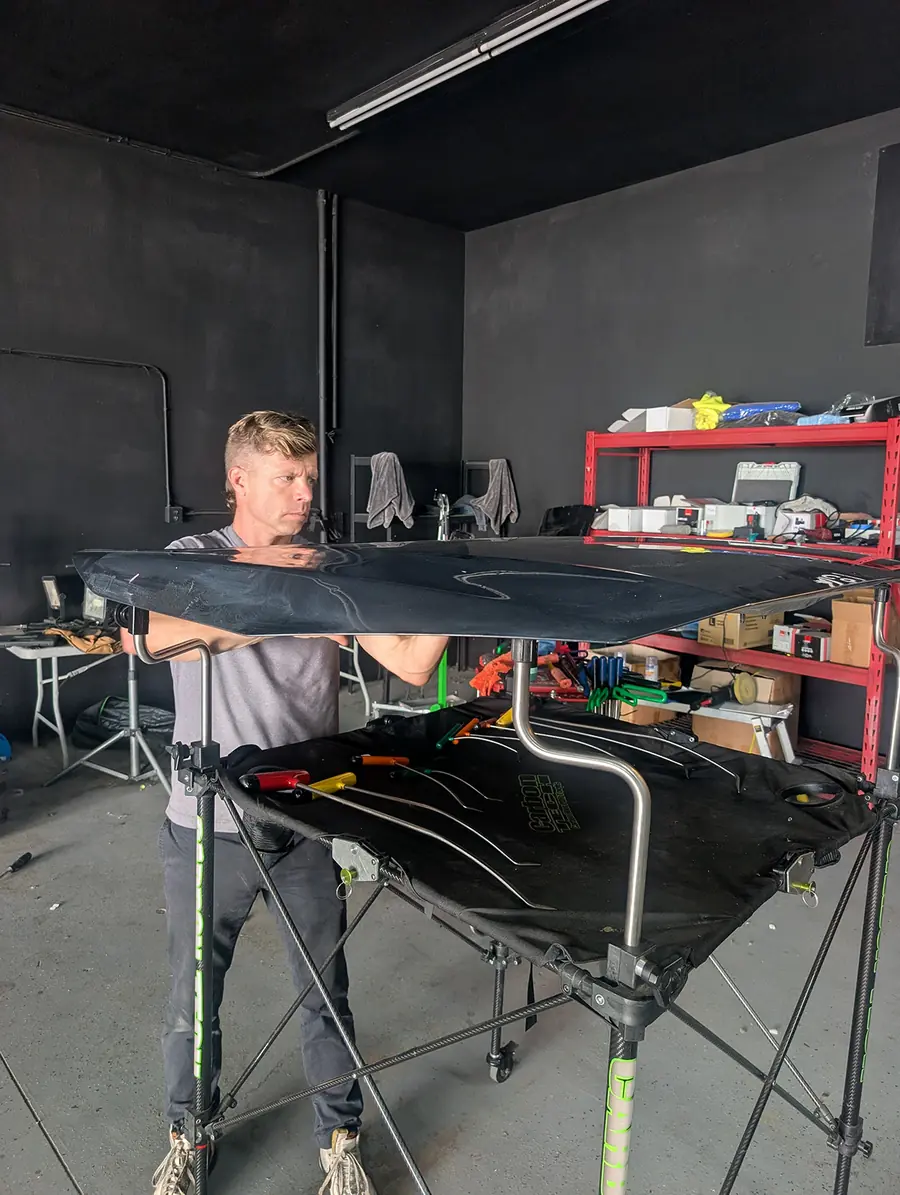
Fall and winter are a busy time for lease turn-ins. New model years arrive, lease terms wrap up, and drivers across Denver start looking at their current vehicle with a more critical eye. Then they notice the door ding from the grocery store parking lot, the crease on the rear quarter panel, or the hail dents they never got around to fixing.
When you return a leased vehicle, the leasing company inspects it for damage beyond normal wear. Dents are one of the most common things flagged. Here's how lease-end inspections typically treat dents, and why fixing them before you hand back the keys is usually the smarter move.
How Lease-End Inspections Treat Dents
Every leasing company sets its own wear-and-tear standards, so the first step is always to read your lease agreement. That said, most inspections follow a similar logic.
Normal wear vs. excess wear
Leasing companies expect some wear after a few years of driving. Many use a size-based guideline for small dents, sometimes described as the "credit card rule": dents smaller than a credit card may be considered normal wear, while larger dents, multiple dents on one panel, or dents with damaged paint are more likely to be charged. Your lessor's actual standard may differ, so check your agreement.
Hail damage is treated differently
Scattered hail damage across the hood, roof, and trunk usually goes well beyond normal wear. Because hail damage is typically covered under your comprehensive insurance, it's worth checking whether a claim makes sense before turn-in. Our hail damage insurance claim guide covers when to file and what lenders and lessors typically expect.
Pre-return inspections
Many leasing companies offer a pre-return inspection ahead of your turn-in date. If yours does, book it early. It shows you exactly what will be flagged while you still have time to fix it on your terms.
Why Fixing Dents Before Turn-In Usually Costs Less
When a dent is flagged at turn-in, you have no control over the price. The charge is set by the leasing company's schedule, and you pay it on their terms. When you fix the dent yourself beforehand, you choose the shop, you see the estimate up front, and you get a repair done to your standard.
For small dings and creases, paintless dent repair is often a fraction of what a traditional body shop would charge, because there's no sanding, filler, or repainting involved. Our Denver paintless dent repair cost guide breaks down what drives the price up or down.
Why Paintless Dent Repair Fits Lease Returns
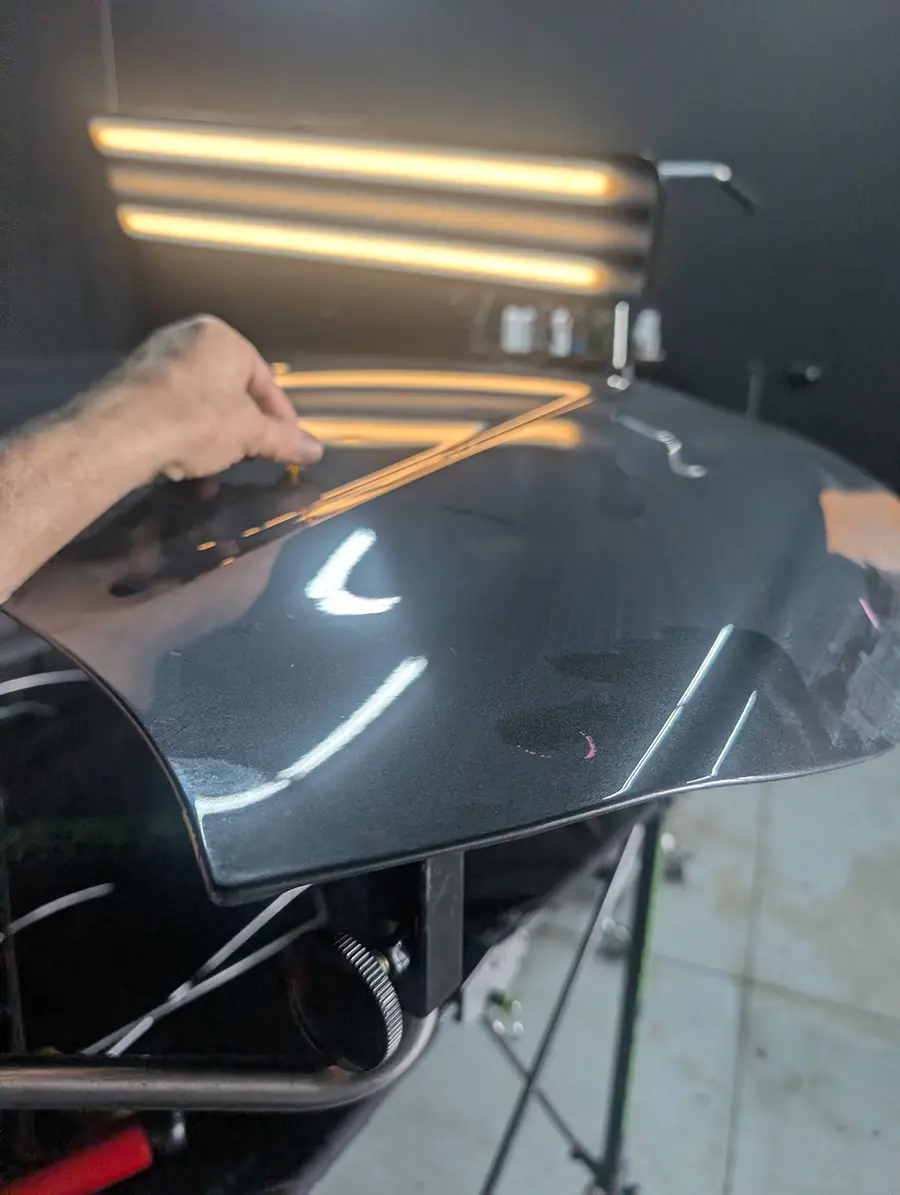
Lease inspectors look at more than dents. Repainted panels, mismatched paint, or signs of body filler can raise questions of their own. Paintless dent repair avoids all of that. Technicians work the dent out from behind the panel and restore its original shape while your factory paint stays untouched.
That matters on a lease return, where the goal is a vehicle that looks the way it should, with no evidence of a repair. If you want to understand exactly how the process works and what it can and can't fix, read car dent repair without paint: what you need to know.
When PDR isn't the right fix
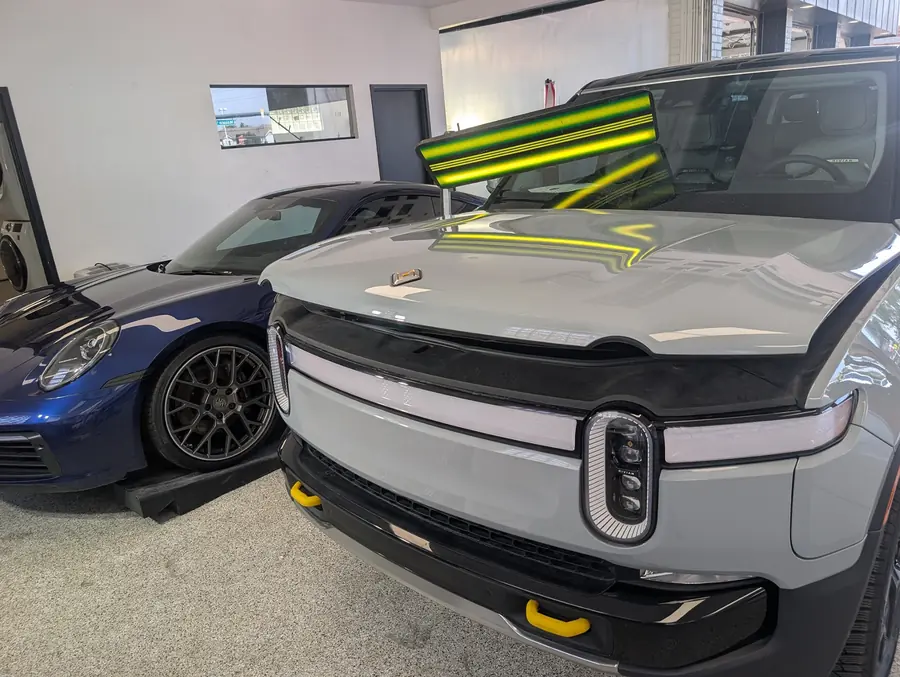
PDR works best when the paint is intact. If a dent has cracked or chipped paint, or sits on a panel edge that can't be accessed, it may need a different approach. We'll tell you honestly at the inspection. And if you're tempted to try a DIY kit first, our guide on DIY vs. professional dent repair explains why that can make a small dent harder, and more expensive, to fix properly.
A Simple Lease-Return Checklist
- Read your lease agreement. Find the wear-and-tear standards and any damage charge schedule.
- Book the pre-return inspection if your leasing company offers one, and do it early.
- Walk the vehicle in good light. Check door edges, quarter panels, the hood, and the roof for dings and creases.
- Get a PDR estimate for anything likely to be flagged.
- Handle hail damage through insurance if a claim makes sense, well before your turn-in date.
- Leave time. Small dings can often be repaired the same day, but hail damage or multiple panels take longer, so don't wait until the final week.
Lease-Return Dent Repair at Dent, Hail & Detail
Our shop on East Warren Avenue repairs everything from single door dings to full-vehicle hail damage using paintless dent repair that keeps your factory paint intact. Call (303) 647-4469 or book online for a free estimate before your turn-in date.